Freshwater West/Gupton

PNTA Walk at FWW/Gupton 28th September 2026 
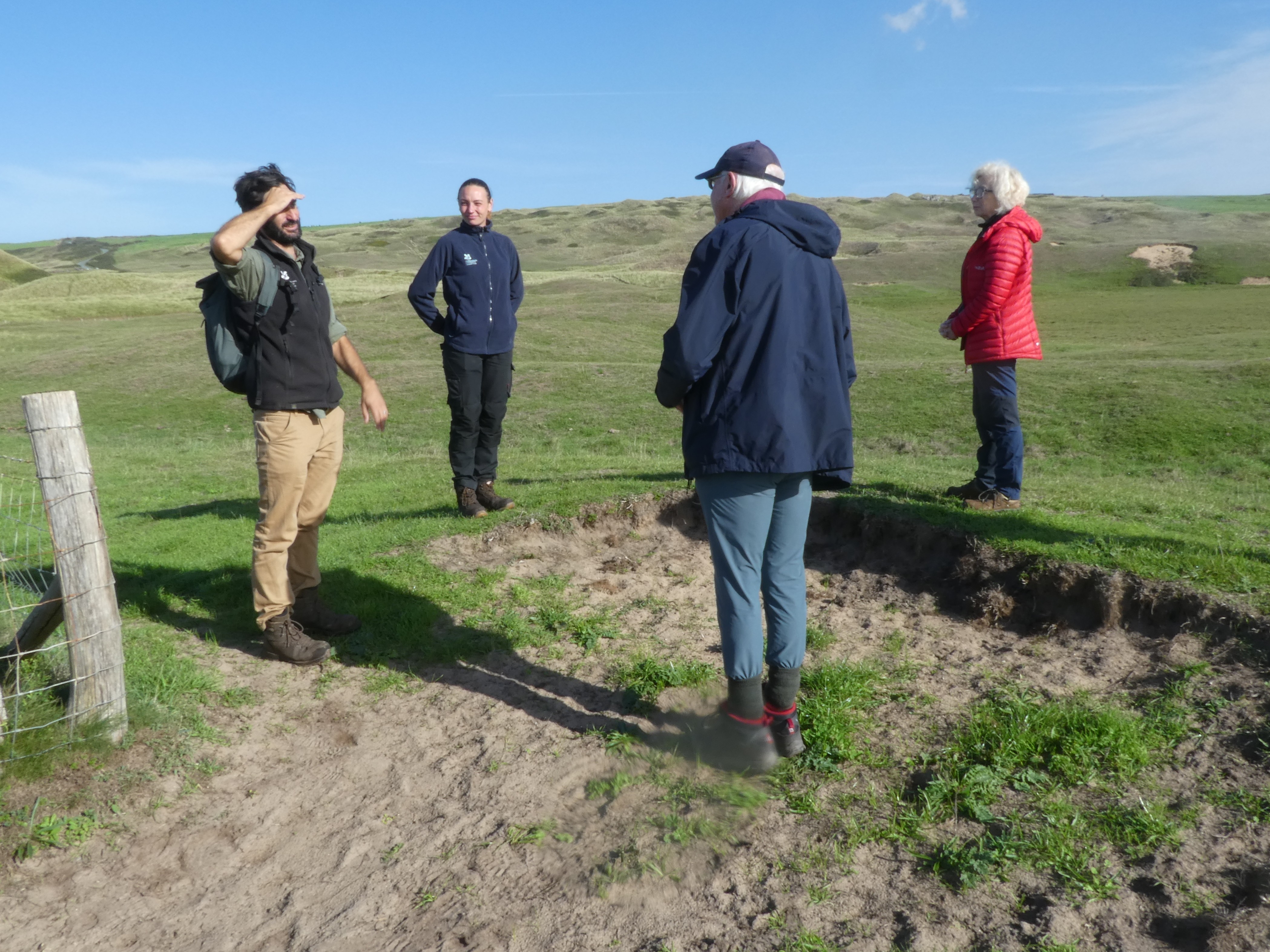
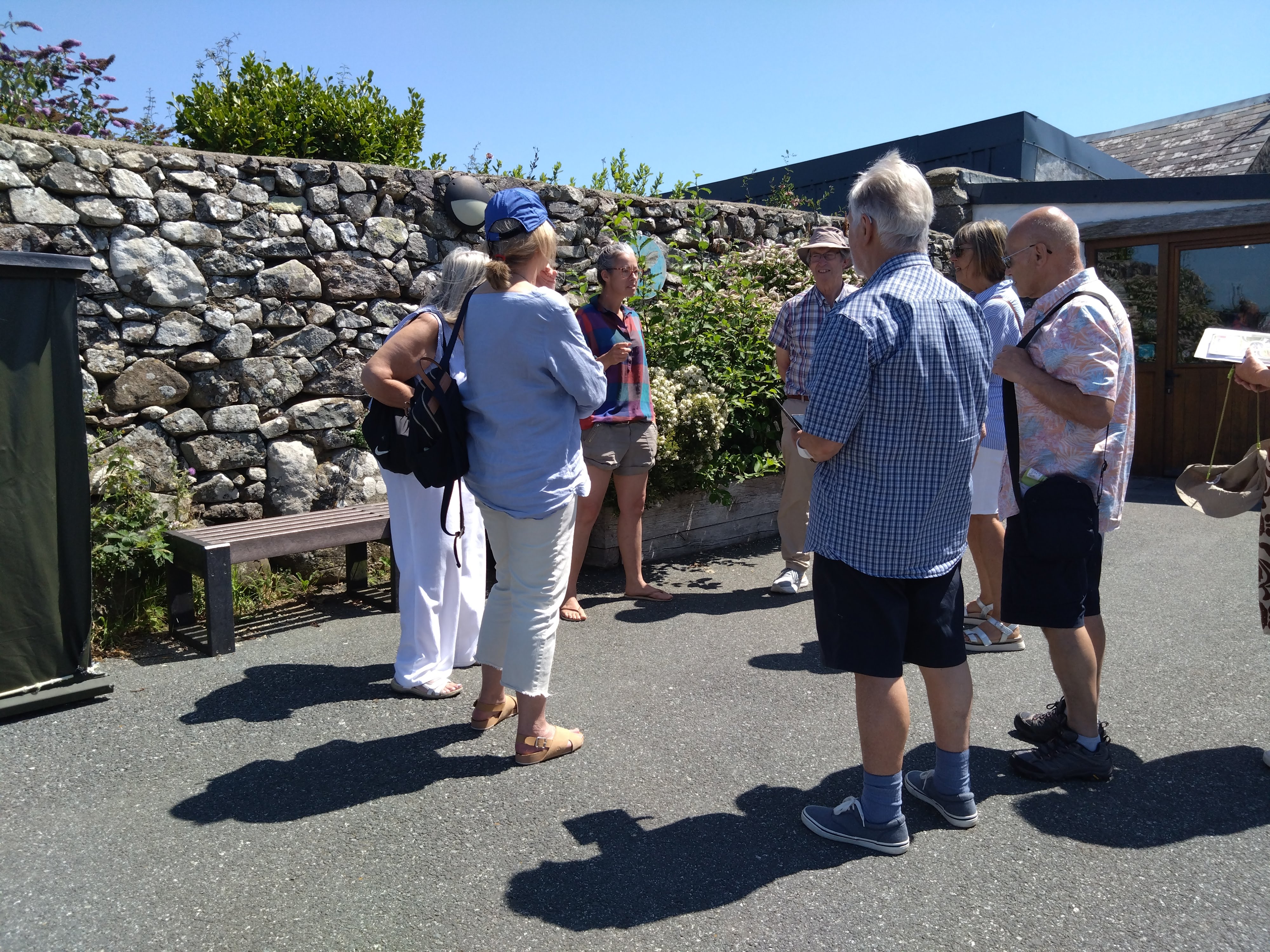
A small band of PNTA members met NT Lead Ranger Alex Shilling at Freshwater West on 28thSeptember 2026 for a guided walk around Gupton Farm to look at land management and conservation issues on NT land and adjacent landholdings.  Alex explained that the huge variety of flora present largely reflects the various farming practices that have created the mosaic of differing habitats over at least the last 150 years.  

Nowadays much of the land at the site carries a whole host of conservation designations, including SSSI, SAC and SPA, and is located within the Pembrokeshire Coast National Park. Habitats found at FWW/Gupton now include dune, dune grassland, corse (a form of coarse wet pasture), pasture, fen meadow and reedbeds – adjacent to more conventional farming by the NT tenants on the upper part of the Gupton site.         

The land was once part of the Cawdor estate, based at Stackpole Court.  Major drainage works were undertaken in 1800, for agricultural improvement purposes, which affects the habitats present even to the present day.  In the 1950s, the improved farmland was being regularly ploughed in order to facilitate peak production.  There was also commercial sand quarrying on the adjacent dunes until 1982.

In 1976 the lands passed into the ownership of NT, allowing more conservation-orientated land management processes to slowly begin.

In 1996 the Environment Agency (as it then was) ceased to maintain the drainage ditches next to the reedbeds and the fen meadows, thus allowing newer habitats to be introduced.

There are many interesting species present at the site, including marsh harriers (in the reed beds) and solitary bees (such as the shrill carder bee) (in the former sand quarry), blunt flowered rush, purple loosestrife and marsh horsetail (in the fen meadow).

The fen meadow is an especially rare and fragile habitat, lying between the reedbeds and rivers downslope and the agricultural land upslope.  A delicate balance has to be maintained between the two differing regimes.  In the longer term, fen meadow may not survive, because of the tensions between the two.  NT is continuing to work with the tenant farmer to improve nature restoration on their land with grazing animals and sympathetic arable crop systems.
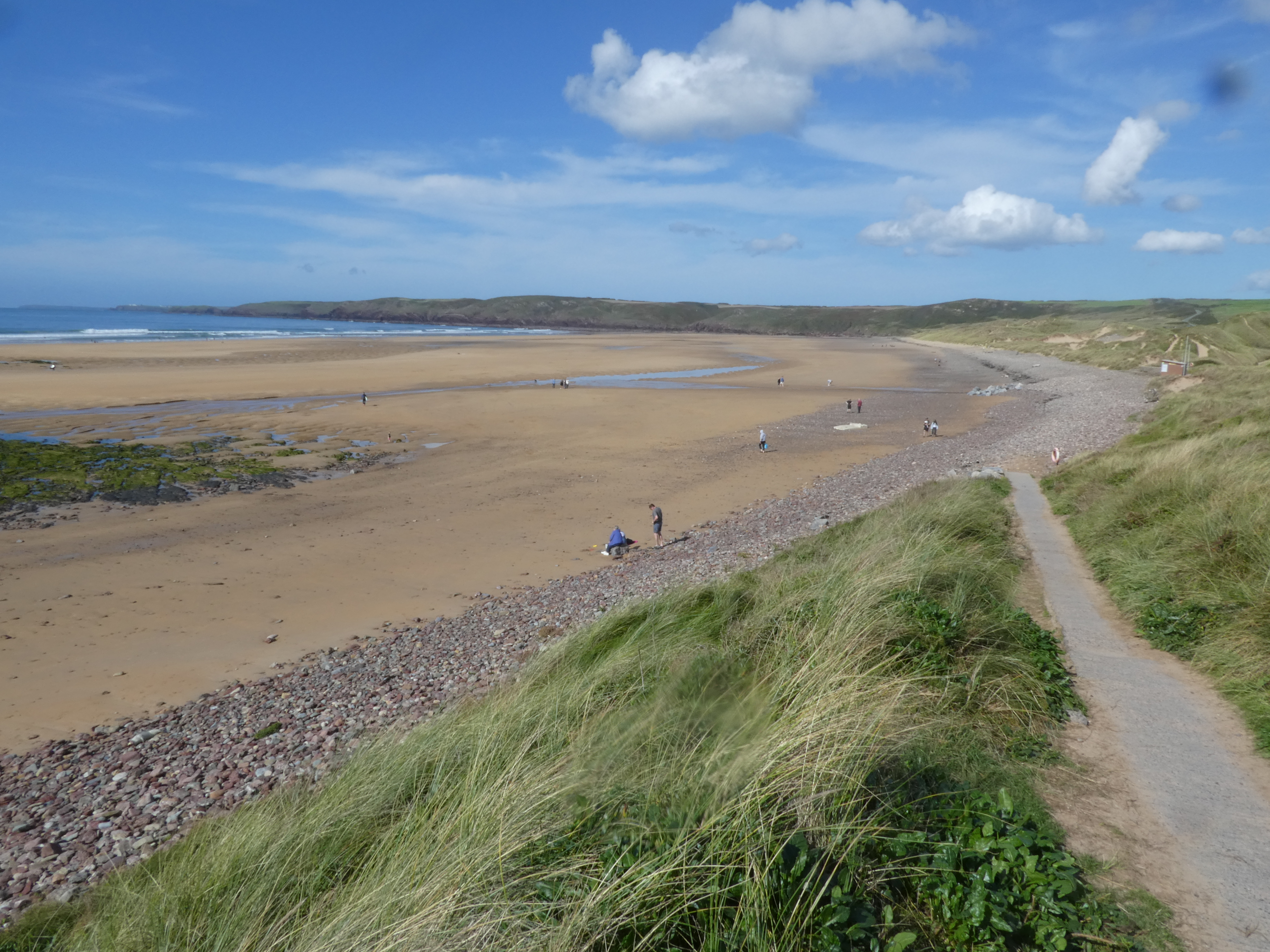
Report and Photographs by Steve Drinkwater
Mencap Gardens & Stackpole Woods

September 24th 2026

There were a dozen of us who met for coffee. Some of us went separate ways, but six of us walked round by the icehouse in the woods. We call it the garlic trail. We noticed a lot of fungi on the fallen tree trunks and some very impressive ones high up in the branches. On to the ‘Court’ and reckoned we could see its shape where the grass had dried out. We then returned to the garden, passing our willow figures on the way, meeting up again for lunch. We had a bit of a wait, but the food was very good when it arrived. 

The weather was very kind to us and it was lovely to do everything out in the open air!

Report by Lyn Humphries

Dr Beynon’s Bug Farm,

14 July 2026

Seventeen PNTA members enjoyed a lively and informative visit to Dr Beynon’s Bug Farm in St Davids on 14 July 2026. From the moment we arrived, the team made us feel welcome and gave a clear, engaging introduction to the Bug Farm’s mix of conservation work, research, and visitor attractions.

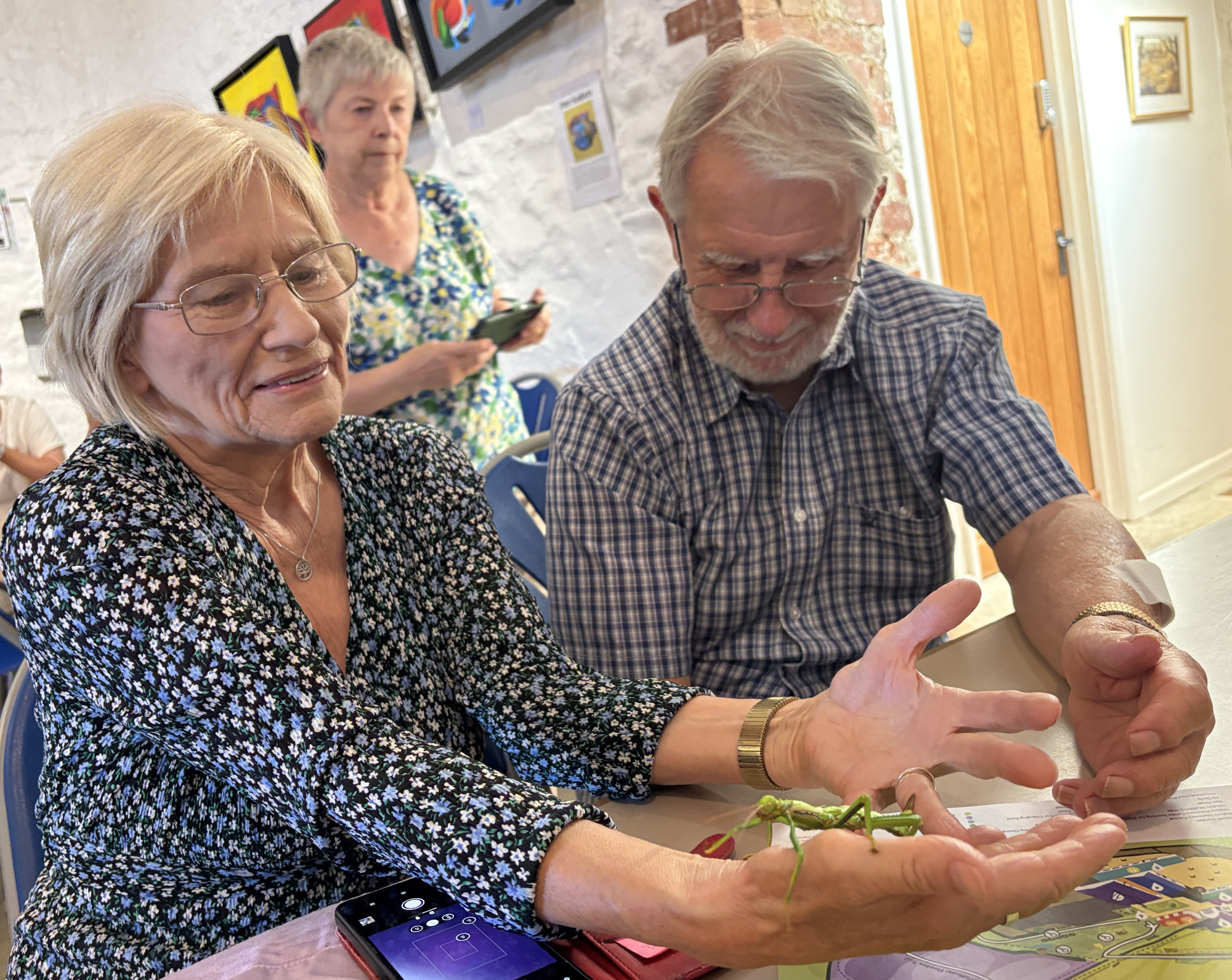
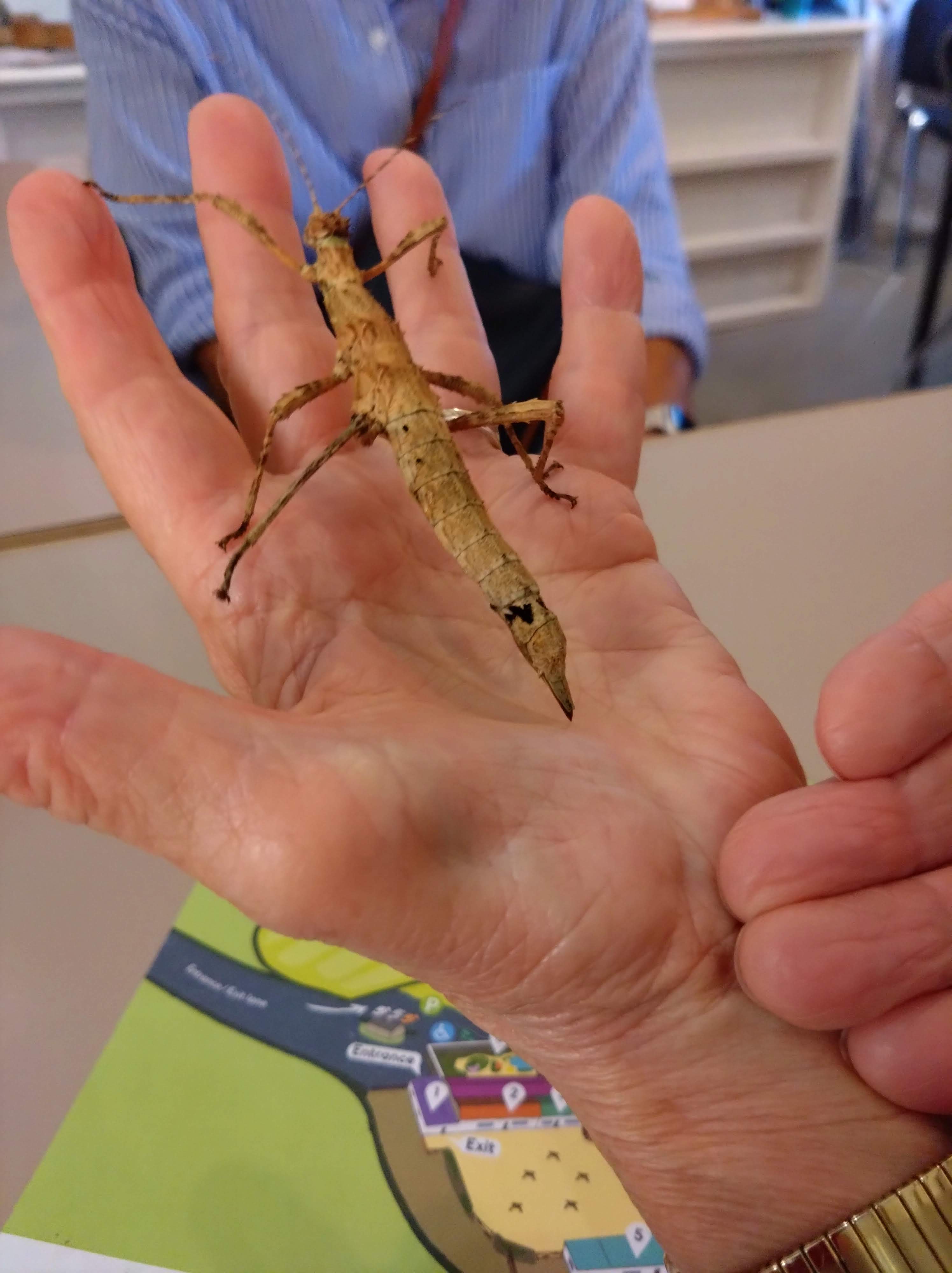
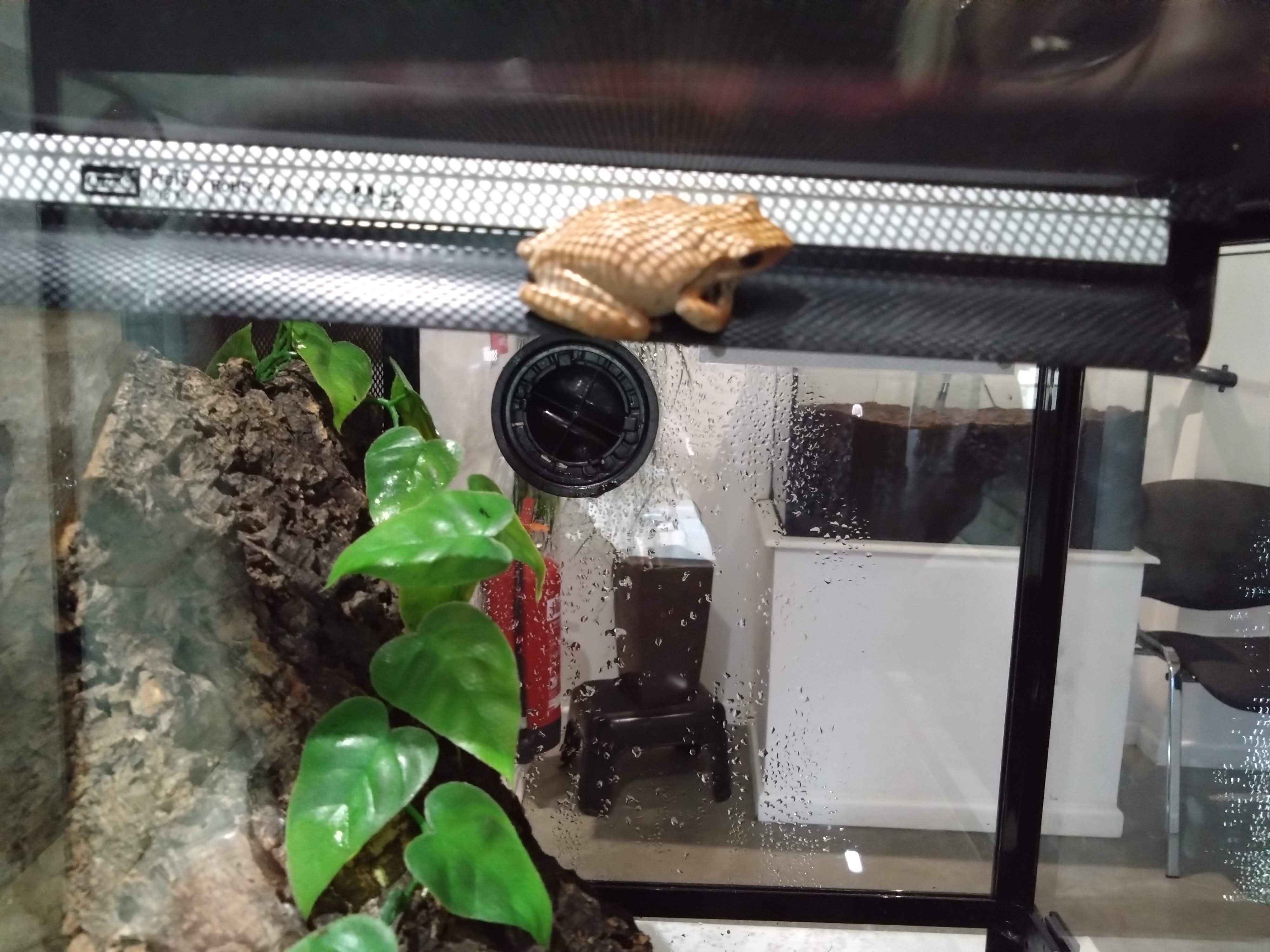
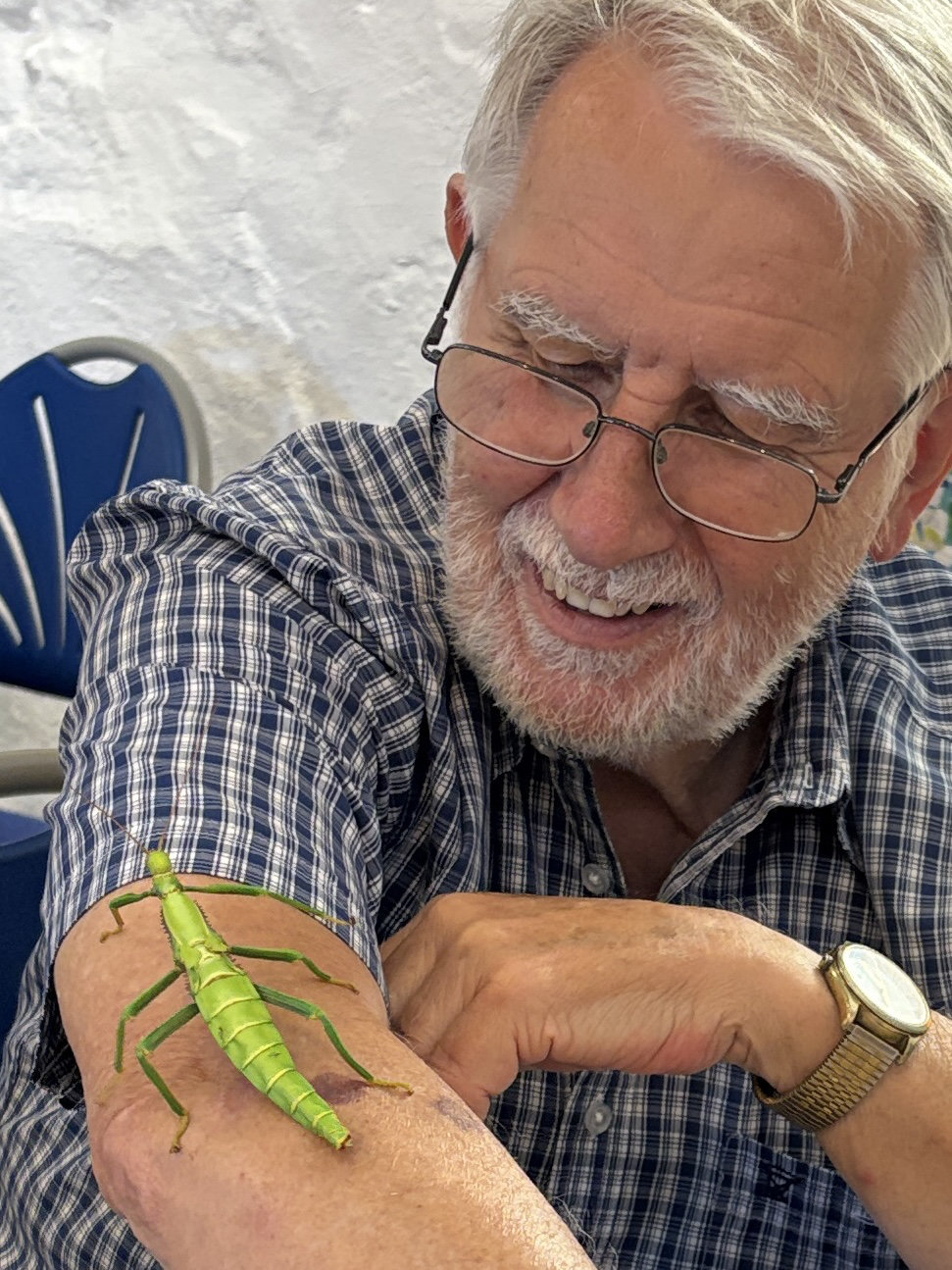
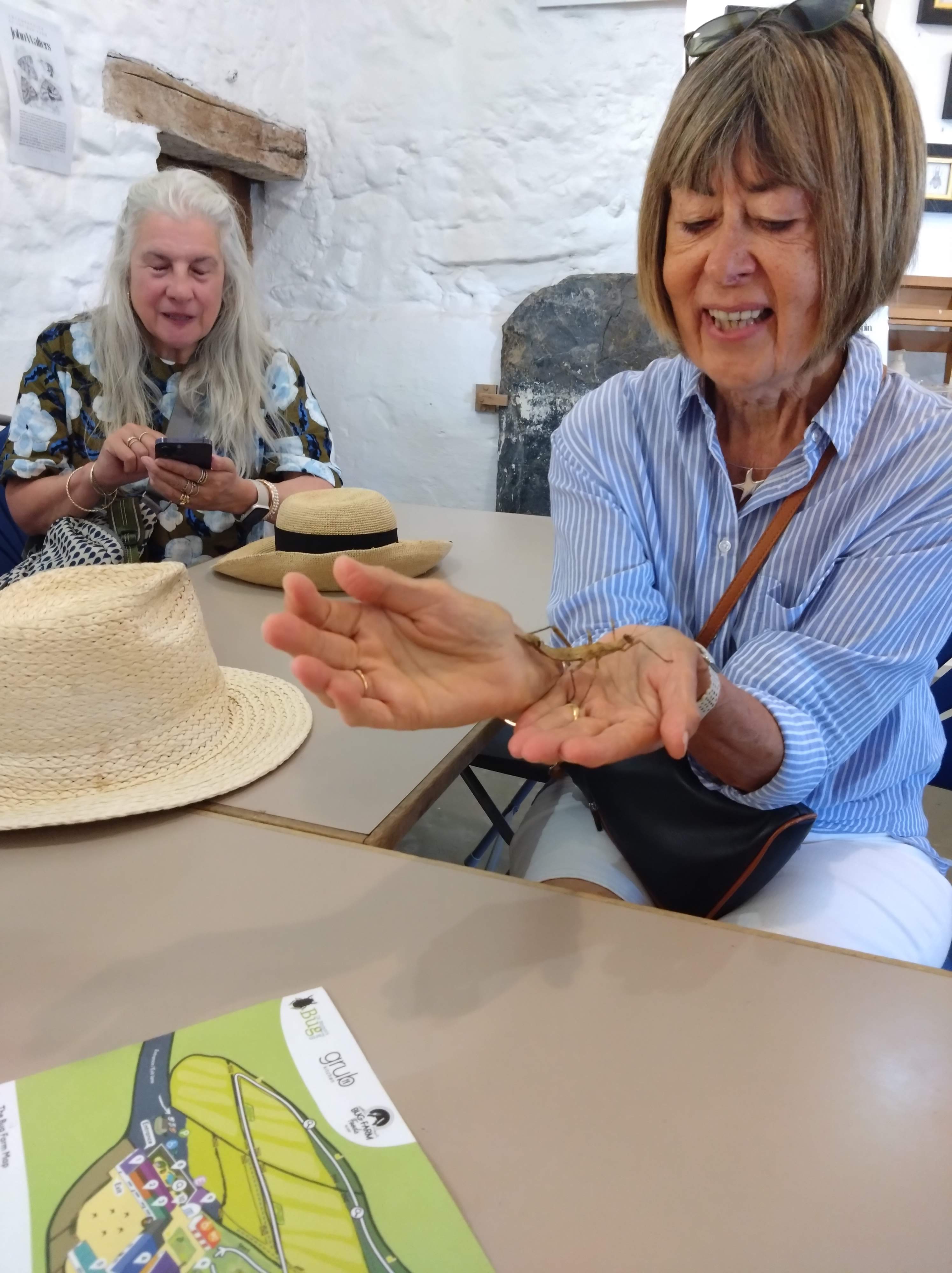
The Up Close Experience was a real highlight. Members gathered around to learn how invertebrates are perceived by the public and to see and handle tropical species at close quarters. The presenter’s enthusiasm made the session both fun and unexpectedly captivating.

Afterwards, everyone explored the site at their own pace — the Tropical Bug Zoo, Museum, Bug Farm Trail, Nature Recovery Centre, and the History of Pembrokeshire Farming Exhibition offered plenty to discover. The Grub Kitchen Café opened especially for us, providing drinks and cakes and a relaxed chance to chat.

We finished with a few final questions and a browse in the gift shop before heading home. Members spoke very positively about the visit, praising the knowledgeable staff, thoughtful displays, and the Bug Farm’s clear commitment to conservation.

A thoroughly enjoyable morning and a welcome addition to our 2026 programme.

Report: Sandra Wright

Photographs: Margaret Brace, Andrew & Annie Weaver

Visit to Castell Henllys Iron Age Village

19th June 2026

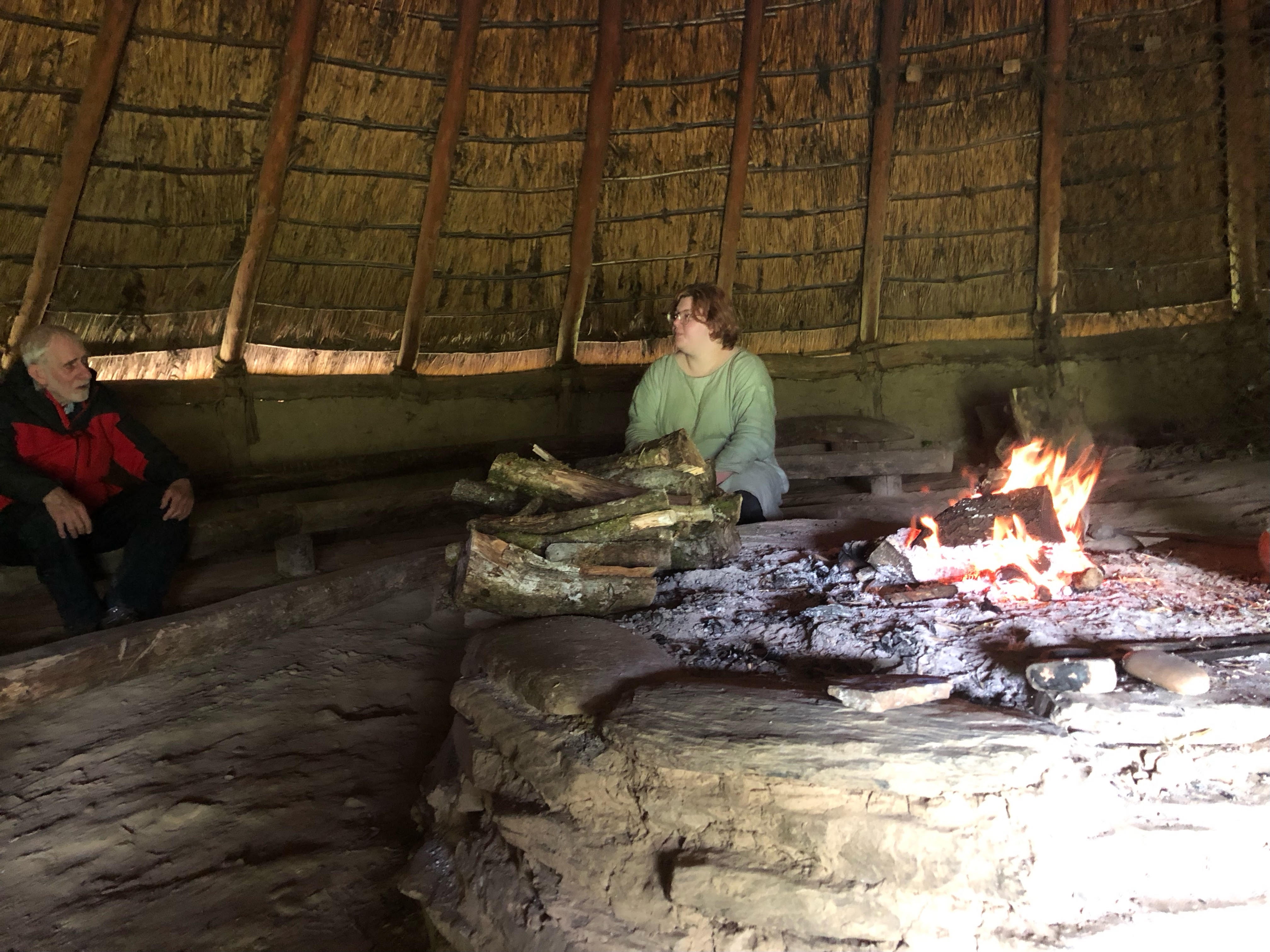
Thirteen members of PNTA met in the well-appointed cafe and reception building to be greeted by members of the site staff.  Once we were all gathered together (and some had downed a quick coffee in the interim), we were directed to walk up the track to the reconstructed Iron Age Village, where we were met by the site guides in authentic period costumes.  The two enthusiastic young people turned out to be university students, working there in their vacation.  We were ushered into a large roundhouse with a roaring fire, a fitting context to hear detailed descriptions of life in the Iron Age.  

Photograph by Jane Mason

The Castell Henllys site was reconstructed in the 1980’s by the Late Hugh Foster – a remarkable man who had previously set up the London Dungeon.  His early ideas had included a desire to construct a Theme Park on the site, but this had not gone down well with the planning authority.  However, he did obtain permission from CADW to reconstruct Iron Age roundhouses on their original sites – probably a unique feature of this site.  He built the roundhouses and opened the site to visitors.  After his death, the site was put on the market and acquired by the Pembrokeshire Coast National Park Authority in 1991, in order to help support sustainable tourism in North Pembrokeshire.  

Over the intervening years, the NPA has made numerous improvements, including a rebuild of the farmhouse and the construction of the modern building which now houses the reception, cafe, shop and visitor centre.  The round houses have also had to be rebuilt, as must have been the case in the Iron Age. 

As well as the general visitors, Castell Henllys welcomes large numbers of school groups every year. The site has been extensively dug over by archaeologists from York University, over more than twenty summer vacations.  Thus a huge amount is known about the site as it developed.  Very few artefacts were found, however, owing to the very acidic soil conditions. After a delightful lunch in the cafe, we had a very interesting talk by Owen Edwards, the Site Manager, who has worked there in various roles over more than twelve years.  He explained in some detail as to how the operation of the site fits in with NPA objectives, alongside Carew Castle & Tidal Mill and Oriel y Parc – the NPA Discovery Centre in St Davids.  A lively discussion ensued.  Some members went back up to the Village for a closer look and more interaction with the guides.  It was a fascinating visit, with much to see and good weather.  More details about the site can be found by following this link:   Castell Henllys Iron Age Village – Pembrokeshire Coast National Park   

Report by Steve Drinkwater

St Bride’s Castle

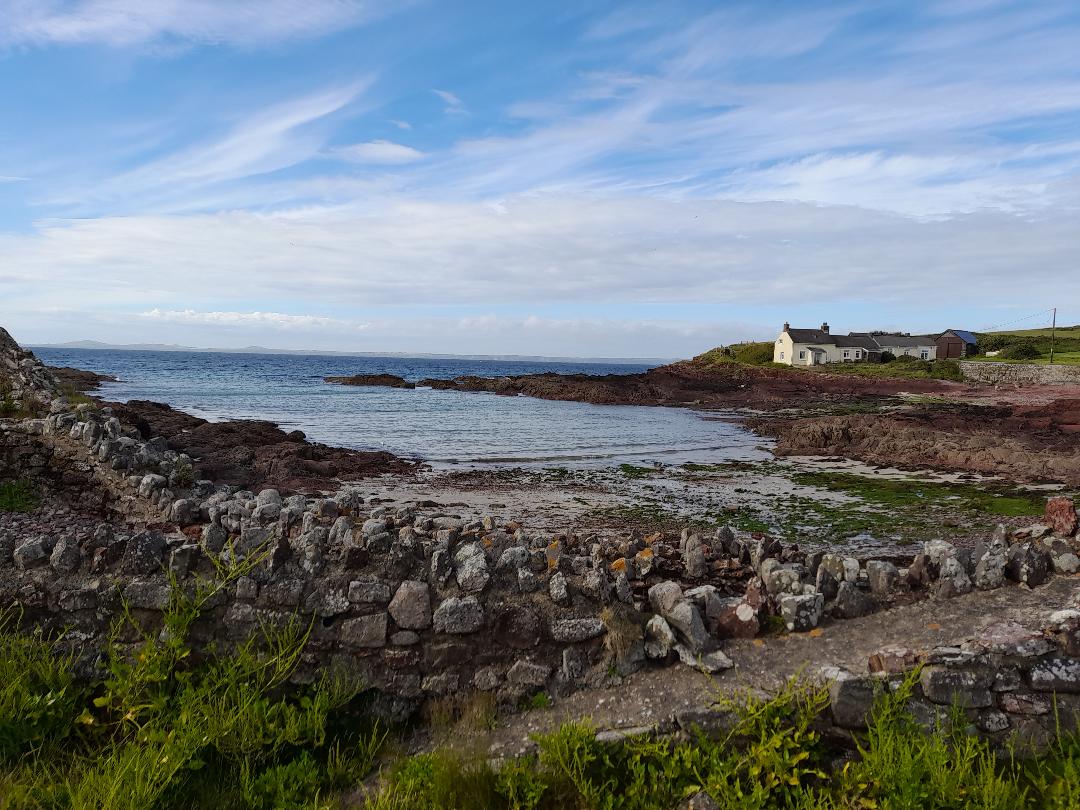
On 10th June, 32 of us had our evening meal at Dylan’s restaurant at St Brides Castle with a grand view of the bay. Some of us went straight there, but the majority met at the bay by the Chapel. 

The pump house was open and we were able to see the progress made there by The Friends of the Pembrokeshire Coast National Park. 

Luckily, the weather had turned out fine and we could do our walk. The advance guard seemed to race up the coast path, but one or two of us stopped to look at the view and the fishermen on the rocks. 

We were all served promptly with good food and had a lot of chatter. Then we had a relaxed meander down the drive and across the field to the Chapel. It was a very pleasant evening!

St Bride’s Bay Photograph: Lyn Humphries

Report by Lyn Humphries.

Hilton Court

Monday 20th April 2026

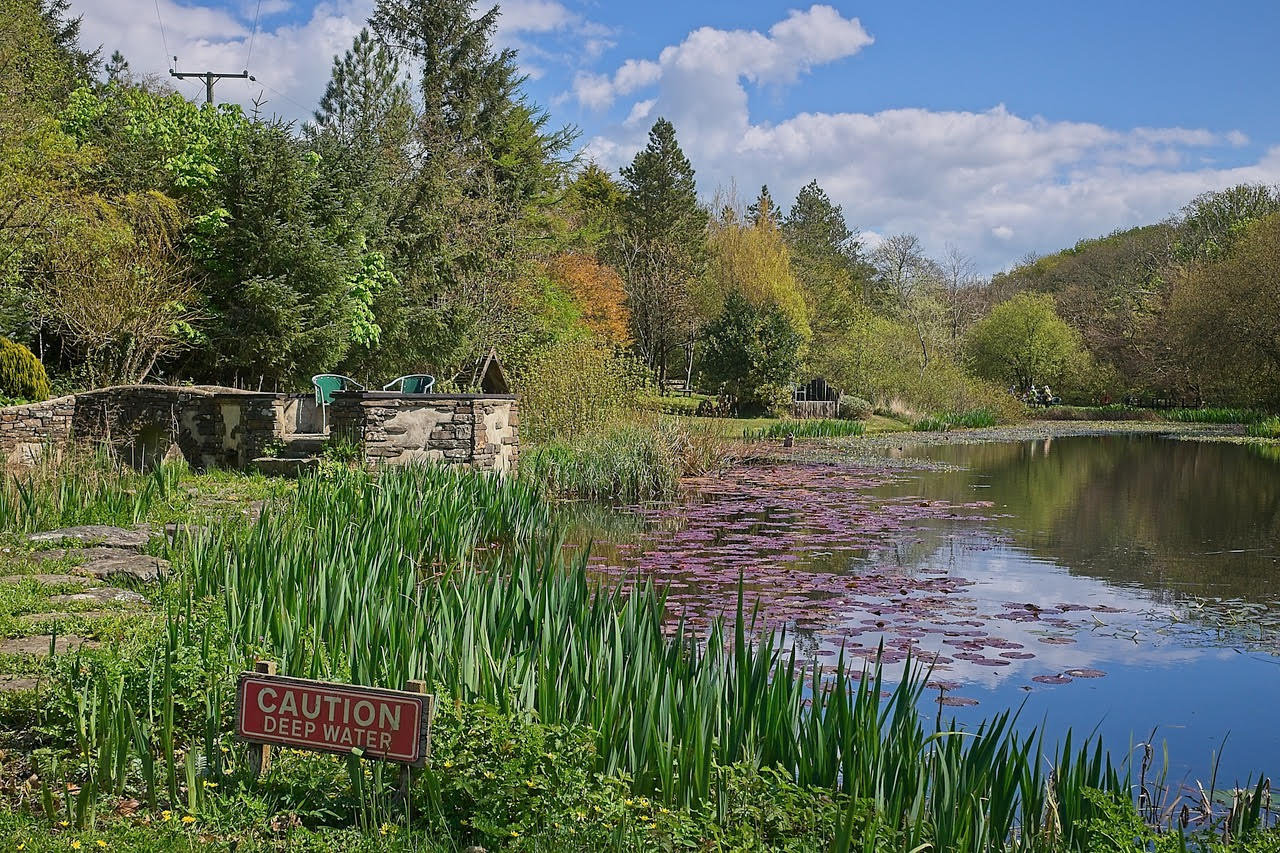
After weeks of cold, wind and rain, we were treated to a glorious day for this event. Everyone arrived for coffee which we were able to have outside. There were people who had never been to Hilton before and some not for a very long time. Others were repeating a lovely walk through the woods with bluebells and pink campion and down to the water. Sometimes sitting in contemplation or meeting up with old friends. 

Photograph by Myles Huthwaite

We were allowed to visit the private garden and sit in the covered retreat to see the view.  Then we had a good lunch and said our goodbyes.

Just before I left, I heard a cuckoo! First time for about 20 years  – magical!

Report by Lyn Humphries 

A Walk in Colby Woodlands

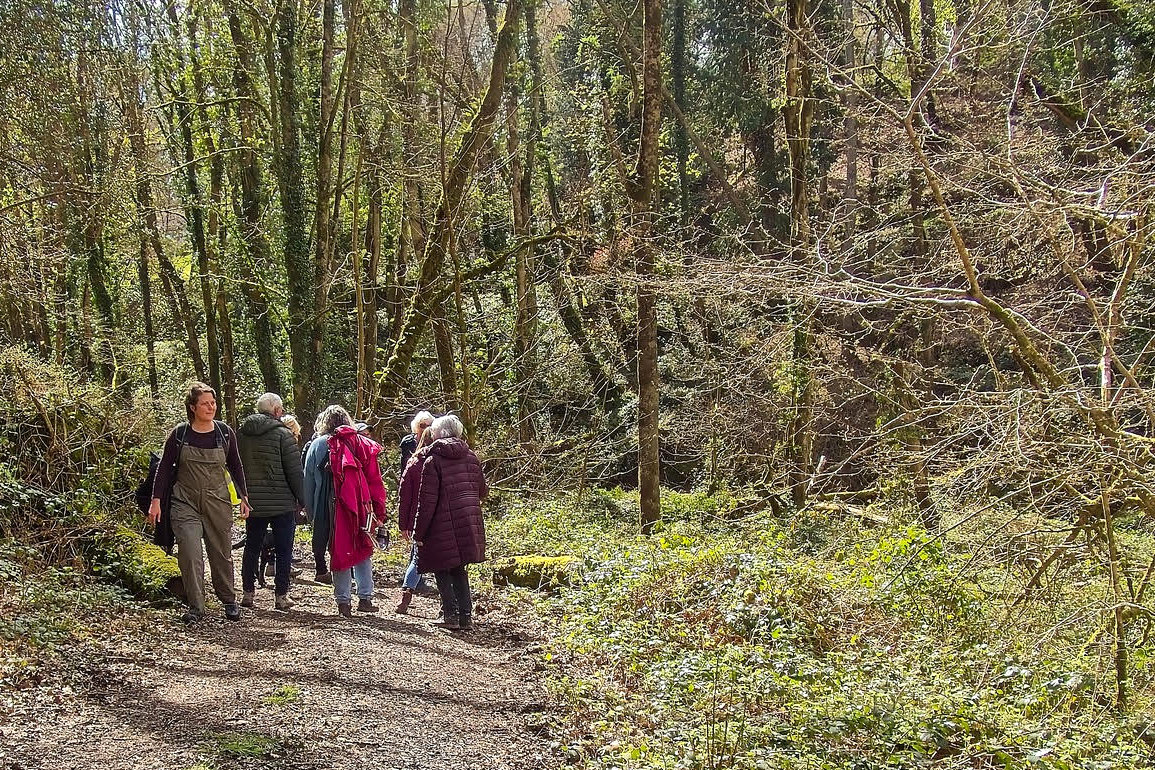
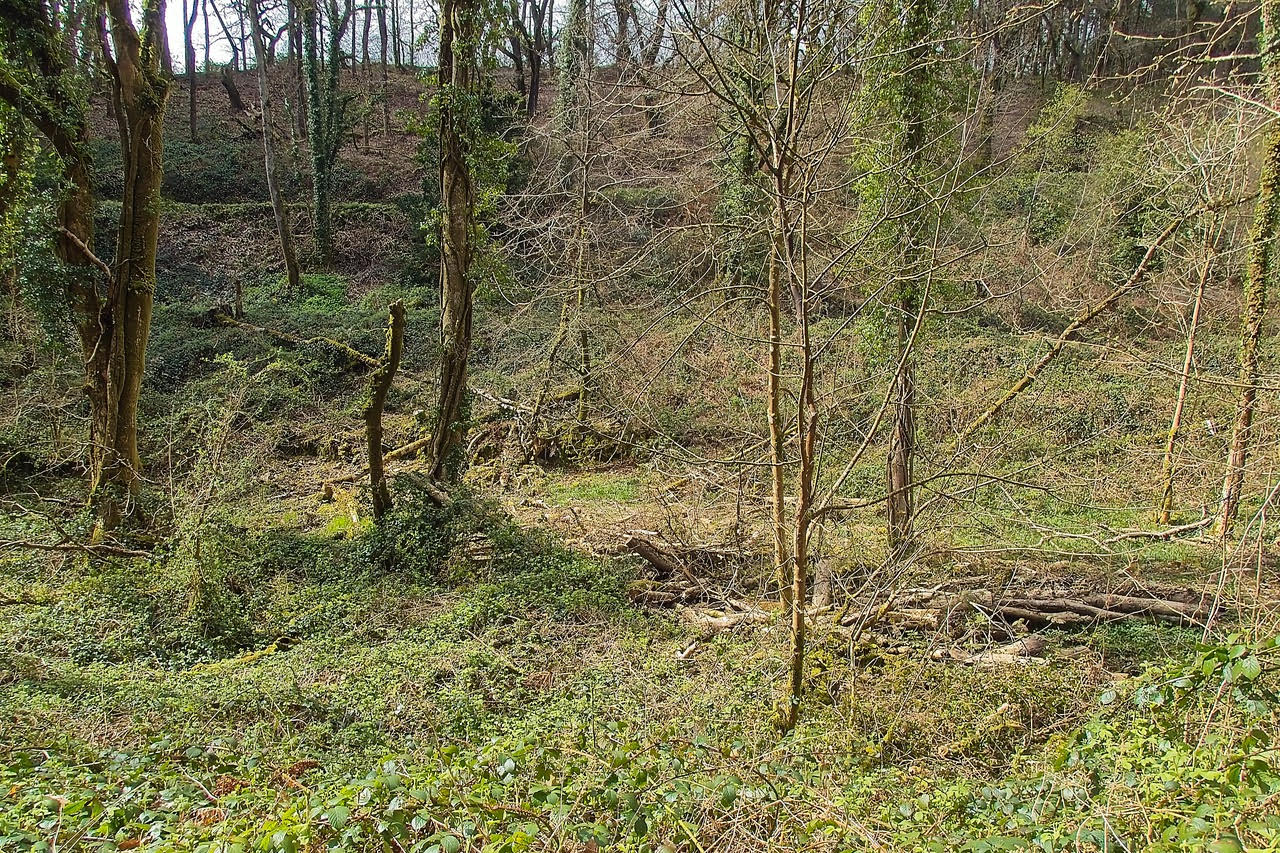
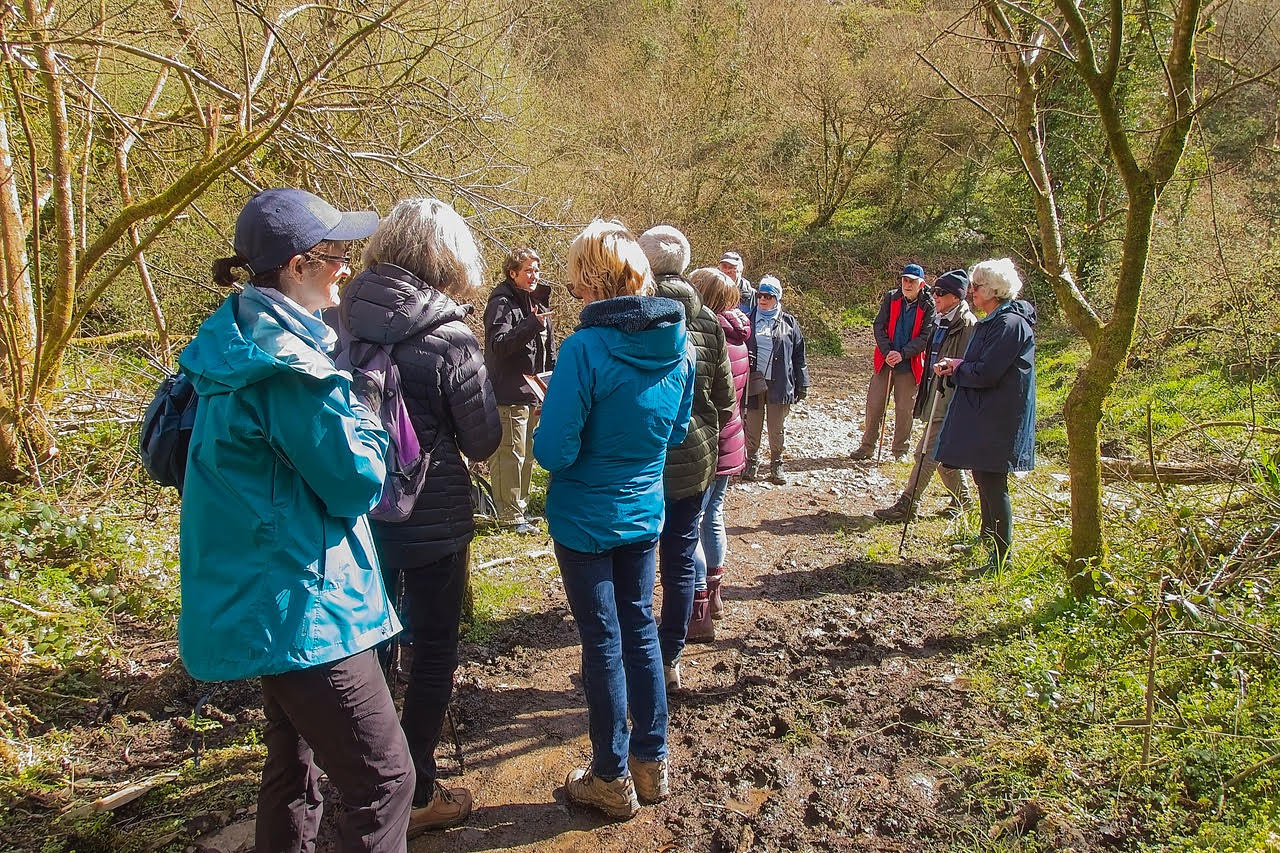
Natasha Doane, TWIG Project Officer, took us on a fascinating guided walk on 13th April 2026, through part of the Colby Woodlands (situated to the N of the Woodland Garden) to explain what the TWIG Project is achieving.

The project is funded by The Woodland Investment Grant (TWIG) scheme. It is being delivered by The National Lottery Heritage Fund in partnership with the Welsh Government.

The history of these wild wooded valleys is rooted in the industrial past of coal mining and the functional use of timber through time.  In the past, native species were replaced with fast growing trees such as conifers, so that a lot of our native woodland species struggled to survive.  The project aims to restore ecological balance within the woodlands (79 ha) by limited intervention, restoring the woodland habitats to optimum health, thus the thousands of plants, bryophytes, fungi, insects, birds and mammals dependent on these woodland habitats will become part of an increasingly functional ecological network.

This is a fantastic opportunity to restore an area that will flourish from minimal intervention. Nature knows what to do, it just needs a little help to be able find balance again.  Key elements of the project include: 

  • Improving access into the woodlands by repairing pathways, steps and managing path vegetation for all to enjoy. 
  • Contributing towards the needs of local people as a public space. 
  • Restoring 69 hectares of “Priority Habitat” (Ancient Woodland and Wood Pasture) through eradication of Invasive Non-Native Species (INNS), natural flood plain management, woodland restructuring, and the introduction of cattle grazing on heathland areas. 
  • Planting 1000 native broadleaf trees and over 150 fruit trees. 
  • Providing a new visitor map to aid navigation as well as downloadable trails for the website.

The streams are being managed by inserting “leaky dams” which slow the flow of water at times of peak flow.  Thus, the woodland will retain more water, soil and nutrients whilst filtering the water that flows downstream, providing healthier habitats along the way.

The project also involves adjoining farmland, meadows and water systems and there has been a high level of cooperation with local farmers, landowners and local communities.

The group were fascinated by the excellent explanations given by Natasha as we visited parts of the site to see examples of the works being undertaken.

The two-year project will finish in June 2026, but the long-term management will continue in line with the management plan, and a ranger has been appointed to take the work forward.  The walk concluded at the tea-rooms and Natasha was warmly thanked for her detailed presentation.  

Report by Steve Drinkwater

Photographs: Miles Huthwaite

Tenby Tudor Merchant’s House 5th February 2026

Melanie Knapp  & Mair Coombes Davies

Photographer by Andrew Weaver

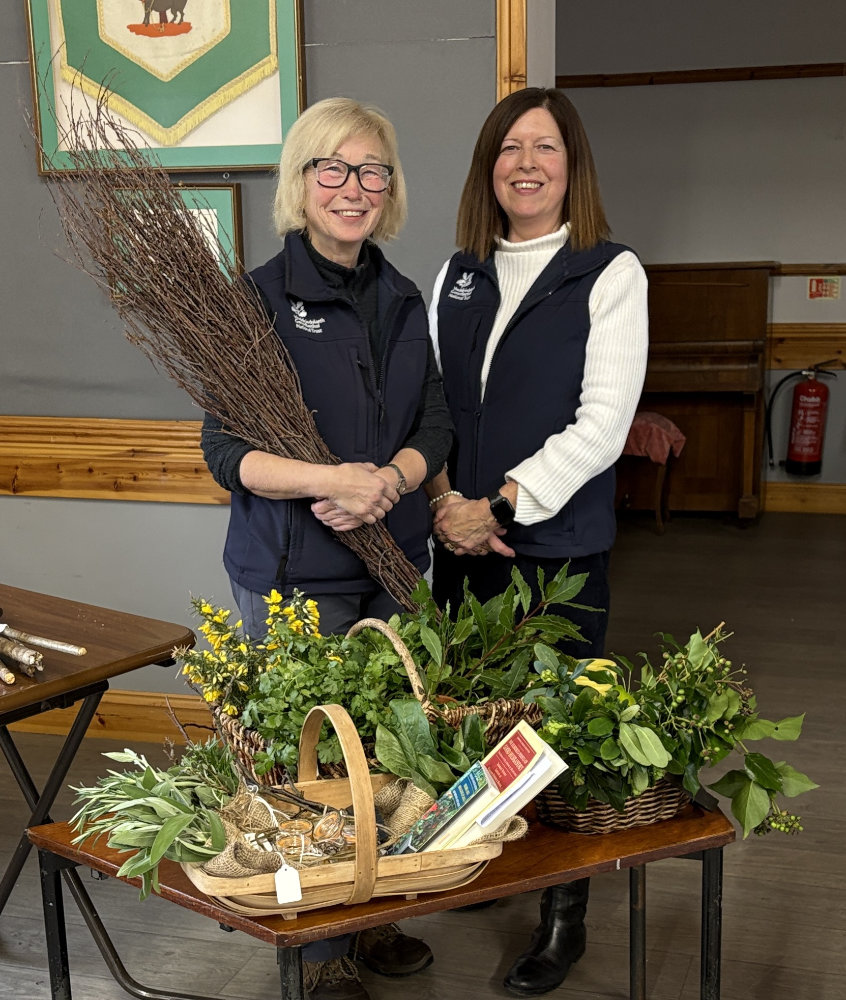
Mair and Melanie with a selection of items, many from the garden , used as food, herbal remedies or cleaning agents

The theme of the talk was based on “A conversation between the house team exploring some of the first feast days in January and February, looking at three elements on what would be involved in the house now and in the Tudor period. Namely cleaning, preparation of food for the feast and health following overindulgence”

Melanie and Mair had brought along a collection of items to support the talk. These included a copy of ‘The National Trust Manual of Housekeeping’ and ‘500 Points of Good Husbandry’ by Thomas Tusser (a practical guide to agriculture and household management written inthe late 16th century). A selection of plants from the garden were used as examples to give explanations about their medicinal, culinary, or domestic purpose.

Mair told about herbs, plant-based remedies and their applications. The following are given as examples: Lavender served multiple purposes in the household. It was valued for its ability to mask unpleasant odours, repel insects, add flavour to food, and assist in treating illnesses. Bay leaf, a commonly used aromatic herb, featured regularly in pottage and was often combined with parsley, sage, rosemary, and thyme to enhance flavour and provide health benefits. Flag iris was used to alleviate toothache, while nettle ointment served as an anti-inflammatory treatment for stiff limbs. Liver wart assisted in healing burns and scalds, and Alexanders helped to warm a cold stomach. Beetroot and saffron were natural colouring agents. Tannin, extracted from certain plants, was utilised as the foundation for making ink.

Household cleaning tasks included sweeping floors and cleaning windows. We were shown a traditional broom crafted from birch twigs bound to a handle with bark. The broom’s flexible and springy construction, along with its rounded shape, made it particularly effective for sweeping uneven surfaces. For removal of mould, a solution ofethanol and water was applied. Vinegar was a versatile substance, used for general cleaning, culinary purposes, and hygiene. Bug-related issues were addressed by washing linen thoroughly. Soap bars were made from tallow, and occasionally, charcoal was added to produce black soap.

Artificial illumination was provided by beeswax candles, which could be straight or coiled. These candles burned cleanly and emitted a pleasant fragrance. In less affluent households, tallow candles were used instead. Wicks, reeds, and mullein stalks also served as lighting materials, although they were associated with bacteria and dirt resulting from smoke residue. Starch was produced from the roots of Bluebell or Cuckoo pint. The merchant’s house was renowned for offering quality food on all occasions. Fish was often chosen over meat, with porpoise served alongside parsley sauce. Flat leaf parsley was preferred to round leaf parsley due to its benefits for indigestion. Oysters were sourced from the west bank of Caldey, and almonds were imported. Additionally, Tenbywas notable for being the first to record a cargo of oranges.

Report by Graham Wright

Gumfreston Church

January 8th, 2026. Angela Jones.

Angela has enjoyed a long career in education, complemented by a longstanding passion for history, literature, and heritage. As a dedicated volunteer at the Tudor Merchant’s House in Tenby, she has contributed significantly to preserving and interpreting local history. Her work in historical settings has enabled her to blend storytelling, education, and community engagement effectively.

During her recent talk on Gumfreston, Angela  set the scene and introduced the area with historical pictures, maps and the phrase, “the world forgotten by the world forgot.” Situated in a wooded valley above the river Ritec, Gumfreston was historically significant as a stop for pilgrims travelling to St Davids and may have also attracted smugglers. The site’s origins predate the church, with evidence of Roman and Celtic worship, including a distinctive round churchyard.

The Church of St Lawrence, located near three holy wells reputed for their healing properties, was central to village life and even supported local sporting traditions, such as cockfighting. The belfry of the church houses what is believed to be the oldest bell in the county. Although the church fell into ruin, it has since been restored by the Friends of Friendless Churches, revealing medieval wall paintings and other historical features.

Angela also highlighted notable figures associated with Gumfreston, including Rev Smith, a rector known for his work as a beekeeper, antiquary, archaeologist, and geologist. His collection became foundational to the Tenby Museum. Other notable connections include Benjamon Hall (linked to Big Ben and the Elizabeth Tower), Edwin William John (father of Augustus and Gwen John), and the site of a historic duel between William Richards and John Owen. The Perrot family were once associated with nearby Scotsborough manor, which was abandoned following a smallpox outbreak and remains in total ruin.

Angela’s talk was interesting and demonstrated the enduring historical and cultural significance of this often-overlooked village. After the talk Jane showed a short video which complemented the talk and introduced the renovation work done by Friends of Friendless Churches. 

December 4th Linda Asman Promoting Pembroke’s Heritage

Linda Asman is Chair of the Pembroke & Monkton Local History Society, a registered charity which aims to research and raise awareness of the heritage of Pembroke and district.
During the talk Linda spoke about the projects and achievements of the Society since its inception in 2010.

Initially the Society prioritised the creation of a photographic and oral history archive, which was subsequently published as a DVD with accompanying book. Then, in 2013, Pembroke Town Council set up its Regeneration Committee to bring together local organisations to work on projects to enhance the town. Linda described how this was the catalyst for more ambitious projects. The History Society took a leading part in developing a Town Trail (with Pembroke Civic Trust), a Digital Town Trail and most ambitions of all, a statue of Pembroke’s most famous son, Henry VII which was unveiled in 2017. The Society took this forward with a further statue of William Marshal unveiled in 2022 and is working on plans to develop a statue trail, working closely with the Town Council and community.

The Society is also very proud of its role in the setting up of a museum in Pembroke’s Town Hall. Society volunteers have developed the museum from scratch on an entirely voluntary basis, so successfully that it has recently been awarded full accreditation status.
Some interesting insights were given i.e. fund raising with a miniature figure of Henry VII, using a local sculptor (Harriet Addyman) and the three future statues of women, Nest, Margaret and Isabel.
Linda showed that combined aspects of art, heritage and the natural environment are splendidly displayed by means of the statues, castle, walks, and millpond. Information regarding the projects mentioned in the talk may be found by visiting the following link Projects. https://www.pembrokeandmonktonhistory.org.uk/Projects.html